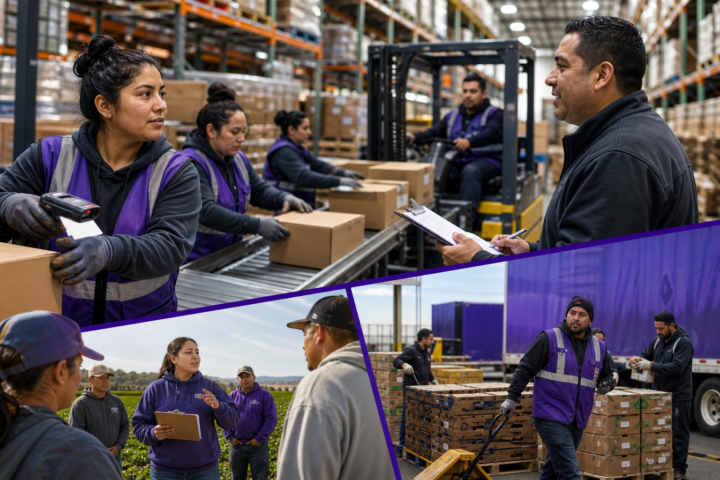
Warehousing Staffing in 2026: What Top Employers Are Doing Differently
If you’re a facility manager, logistics supervisor, or HR lead at a mid-to-large scale warehouse operation, this guide is for you. You’re facing persistent turnover, rising overtime, and the pressure to keep a rapidly changing fulfillment cycle resilient. Warehousing staffing in 2026 requires new approaches to attract, engage, and retain frontline workers who can perform on the floor, stay safe, and adapt to evolving automation. Practitioners in this space consistently emphasize the need to align sourcing, onboarding, and scheduling with real-world work history and current labor-market realities.
Why2026 demands a new staffing playbook for warehouses
Top employers are shifting from episodic hiring to a signal-driven staffing model that emphasizes reliability, skills, and cultural fit. Rather than relying solely on traditional temp pools, they combine strategic talent pipelines with data-informed shift planning and proactive retention efforts. In our experience, teams that create predictable onboarding, clear performance expectations, and ongoing worker development tend to sustain productivity even as volumes fluctuate.
Key shifts driving better outcomes
-
Proactive talent pipelines: Building relationships with local training programs, unions, and community organizations to ensure a steady stream of qualified work history and hands-on experience on the warehouse floor.
-
Structured onboarding and safety training: Standardized, role-specific onboarding paired with quick-start safety modules reduces ramp time and supports compliance in high-risk environments.
-
Flexible, data-informed scheduling: Forecast-driven schedules that account for seasonality, e-commerce peaks, and downtime, while minimizing overtime burnout.
-
Competency-based assignment: Matching workers to tasks by demonstrated skills (forklift operation, packing line efficiency, quality checks) improves throughput and quality.
-
Retention-focused culture: Career-path visibility, recognition programs, and opportunities for cross-training help reduce churn among frontline teams.
Explore the Industries We Serve
What top employers are doing differently in 2026
Leading warehouses adopt a holistic approach that weaves together sourcing, onboarding, scheduling, and development. They view staffing as an operational asset, not a one-off cost center. The following practices capture the core moves you can implement now.
1) Build a national, scalable staffing network with local relevance
National reach matters, but local fluency wins in daily execution. Employers partner with staffing firms that maintain a pool of workers with established work histories in manufacturing and distribution environments. This approach helps stabilize headcounts during peak seasons while preserving the flexibility to scale down when demand softens. For organizations seeking specialized production-line coverage, a trusted staffing partner can supply workers who understand safety standards and equipment handling specific to your facilities. See how Full Steam Staffing approaches nationwide coverage and local relevance across industries such as manufacturing and distribution.
2) Shift from resume-based screening to skills and work history verification
On the warehouse floor, practical qualifications often matter more than paper credentials. Employers prioritize verified work history, certifications (e.g., forklift operation, safety training), and demonstrated reliability in similar environments. A focus on hands-on assessments helps ensure new hires can perform essential tasks from day one, reducing ramp time and supervision load. For a streamlined route to qualified candidates, consider partnering with talent pipelines that emphasize verified experience and observable job history metrics.
3) Standardize onboarding with role-specific, safety-forward modules
Standardized onboarding accelerates integration while reinforcing safety culture. Top employers run modular training tracks tailored to roles such as palletizing, order picking, packing, and quality control. Short, focused sessions on equipment, hazard recognition, and process flows yield faster competence and fewer on-the-job incidents. The result is a measurable lift in initial productivity and worker confidence on the floor.
4) Forecast-driven scheduling that respects workers’ time and needs
Advanced scheduling blends demand forecasting with worker preferences and constraints. Employers use trend analyses to anticipate surge periods, then align shifts to minimize idle time and overtime. Transparent scheduling policies, early shift notifications, and equitable shift rotations improve morale and retention. This approach reduces last-minute scrambles and supports a healthier work-life balance for frontline teams.
5) Competency-based task assignments and continuous upskilling
Assign employees to tasks that align with their demonstrated strengths, and continually expand their skills. Cross-training in related functions enables flexibility when volumes shift and can shorten downtime between tasks. Ongoing coaching and micro-learning opportunities keep teams engaged and prepared to handle new processes or equipment changes as automation advances.
6) Strong retention programs tied to real career pathways
Retention is built when workers see a path forward. Employers design clear progression routes, from entry-level material handlers to team leads and specialist roles, paired with recognition and attainable milestones. When workers feel invested in and supported, turnover trends improve and supervisor burnout tends to decrease.
Get the Answers You Need
Implementable framework:4 steps to transform warehousing staffing in 2026
-
Audit your current staffing mix: Map headcount by shift, role, and skill gap. Identify peak times and times when ramp work slows. Capture work history and certification status for your frontline team.
-
Design role-based onboarding and safety modules: Develop concise, evidence-backed training tracks for each floor function. Include quick-start checklists and observable performance benchmarks.
-
Establish a forecast-driven scheduling model: Use volume trends, seasonality, and promotions to set shifts in advance. Implement fair, transparent shift allocation and early-notice policies.
-
Build a development-forward retention plan: Create visible career paths, micro-credentials, and regular coaching conversations. Pair this with recognition for reliability and safety compliance.
In practice, a purely hypothetical illustration might involve a500-employee distribution center that implements a competency-based assignment system and a6-month upskilling program. The center notices smoother workflow during peak periods and steadier attendance, with supervisors spending less time firefighting scheduling conflicts. This example is illustrative; the point is to adopt a roadmap that aligns worker capabilities with operational needs while maintaining a focus on safety and engagement.
Find Your Next Job with Full Steam Staffing
Data-informed signals and credible benchmarks
Industry observers note that facilities with structured onboarding, clear career paths, and proactive talent pipelines tend to experience more stable staffing and smoother ramp times. Qualitative evidence from logistics and manufacturing circles suggests these practices contribute to improved throughput and workplace safety, especially when combined with transparent scheduling and ongoing skills’ development. For readers seeking external benchmarks, consider consulting reputable industry reports and HR studies that discuss frontline staffing dynamics in warehousing and manufacturing settings.
Practical examples and use cases
-
Production-line staffing: A plant uses a production-line workers program to certify operators, then assigns them to lines based on demonstrated speed and accuracy, reducing line stops caused by underqualified operators.
-
Seasonal peak management: A distribution center deploys a forecast-driven ramp-up plan with part-time shifts and flexible overtime budgeting to handle Halloween and Prime Day surges without overwhelming existing staff.
-
Safety-first onboarding: A warehouse implements a modular safety curriculum that new hires complete before floor duty, leading to fewer incidents in the first30 days.
Common pitfalls and how to avoid them
-
Overreliance on a single hiring channel: Diversify sourcing to reduce bottlenecks during seasonality.
-
Underinvesting in onboarding: Skipping role-specific modules slows ramp and raises safety risk.
-
Rigid schedules that ignore worker constraints: Build flexibility into shifts to improve morale and retention.
FAQ: Warehousing staffing in 2026
What makes staffing different for warehouses in 2026?
-
The emphasis is on scalable, role-based onboarding, forecast-driven scheduling, and a clear path for advancement. Strong partnerships with staffing providers and a focus on verified work history help stabilize labor supply during peak periods.
How can I start building a competency-based assignment approach?
-
Begin by categorizing tasks by skill intensity, creating observable performance metrics, and validating worker readiness through short, task-specific evaluations before assigning them to lines or packing areas.
What role does a staffing partner play in 2026?
-
A trusted partner helps maintain a diverse, qualified pool of workers with established work histories, handles onboarding logistics, and supports scalable scheduling during peak seasons while ensuring compliance and safety standards.
How do I measure success for warehousing staffing changes?
-
Track ramp time, overtime frequency, turnover among frontline staff, on-time shipments, and safety incident rates. Qualitative feedback from supervisors and workers also informs continuous improvement.
What practices support long-term retention?
-
Clear career pathways, regular coaching, recognition for reliability and safety, and opportunities for cross-training across different floor functions tend to improve retention.
Can these strategies apply to all warehouse types?
-
Yes, with adaptation. Whether food processing, distribution, or manufacturing, aligning work history, safety training, and task competency with demand patterns benefits most warehousing operations.
Ready to Build a Stronger Manufacturing Workforce?
A successful staffing strategy goes beyond filling open positions it requires the right people, the right processes, and the flexibility to adapt as your business grows. Whether you’re optimizing production, reducing turnover, or planning for seasonal demand, Full Steam Staffing can help you build a workforce that supports long-term operational success.
Explore our staffing solutions, learn more about how we support employers, or connect with our team to discuss your hiring goals.